
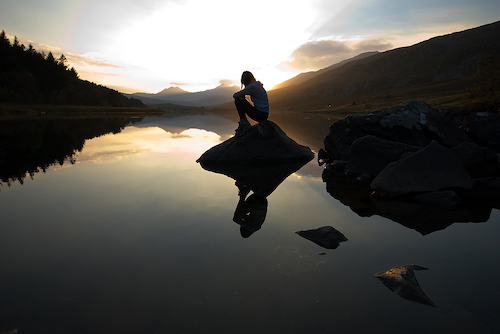
 Loneliness and societal division is negatively impacting large numbers of American adults.
Results from the latest Stress in America survey found that 54% felt isolated, 50% lacked companionship and 50% felt left out.
“Unfortunately, the latest “Stress in America” survey results are not at all surprising to me. In fact, the stress survey results reflect what I see in my client population and in my own community. Our society is highly individualistic, and while this has benefits, the downsides are quite significant. The more we move away from collectivistic dynamics, the more people will naturally feel alone, isolated, and left out. In addition, when social media addictions and similarly solitary-type pursuits pull people into individual silos, communal activities will be squeezed out. Humans are naturally wired to enjoy in-person connection (our brains and bodies have been wired this way over hundreds of thousands of years), so it’s only natural that we are feeling isolated and lacking in connection in today’s increasingly non-collective world,” Dr Carla Marie Manly, a clinical psychologist in California told Theravive.
The survey, conducted on behalf of the American Psychological Association, also found that 69% of adults reported needing more emotional support in the past year than they received. That is an increase from 65% last year.
The growing gap between the emotional needs of the public and the amount of support available is an ongoing challenge. But Manly says there are some options.
“Psychotherapy is expensive and often not covered adequately by insurance. As such, it’s important to advocate in your community and beyond for increased mental health insurance coverage. Beyond that, group therapy – which is often free or very low cost – can be a wonderful source of emotional support and connection. Many communities offer group psychotherapy (or “group support sessions”) through local hospitals, religious/spiritual meetings, and community centers,” she said.
As the holidays approach and families around the country come together, many are reporting stress due to the divisions facing society.
The survey found that the majority reported that societal division was a significant source of stress in their lives. Those who felt that way were also more likely to report feeling isolated, with 61% in that group reporting feelings of isolation compared with 43% of those who didn’t report societal division as a significant cause of stress.
Societal division is also contributing to personal disconnection for some. 60% of those who reported stress due to societal division also reported losing patience with a family member, while 55% reported cancelling plans and 53% reported they struggled to plan for the future.
But worrying about the future is a common theme, even for those not feeling stressed by societal division. 75% of all of those surveyed said they are more stressed about the future of the US than they used to be.
But Dr Manly says differences in political or other views doesn’t mean the holidays are ruined.
“Holiday gatherings can surely be a time of great celebration, but they are often a source of stress – particularly if people are not on the same page politically or socially. As a clinical psychologist, I strongly advise families to make “no politics” policies to help the holiday conversations stay light and enjoyable. If this isn’t possible given family dynamics, I encourage people to gently excuse themselves from conversations that feel triggering or stressful. There’s no need to make excuses or get into arguments; the key is to smile and exit the conversation with gracious respect,” she suggests.
“Lighten your holiday load be practicing strong boundaries. It’s okay to say “no” to invitations that feel stressful or too demanding for any reason. A practice of gently enforcing healthy boundaries is a wonderful way to decrease stress during the holidays and every time of year. Give yourself frequent self-care tune-ups by pausing to do a set of deep-breathing exercises at least once every few hours. This simple act of self-care calms the nervous system and reminds you to take it easy. Although it only takes about 3 minutes per set, deep breathing exercises have incredible benefits.”